
Unravelling the neuroactive potential of Grana Padano and Parmigiano Reggiano cheese microbiome
Date:
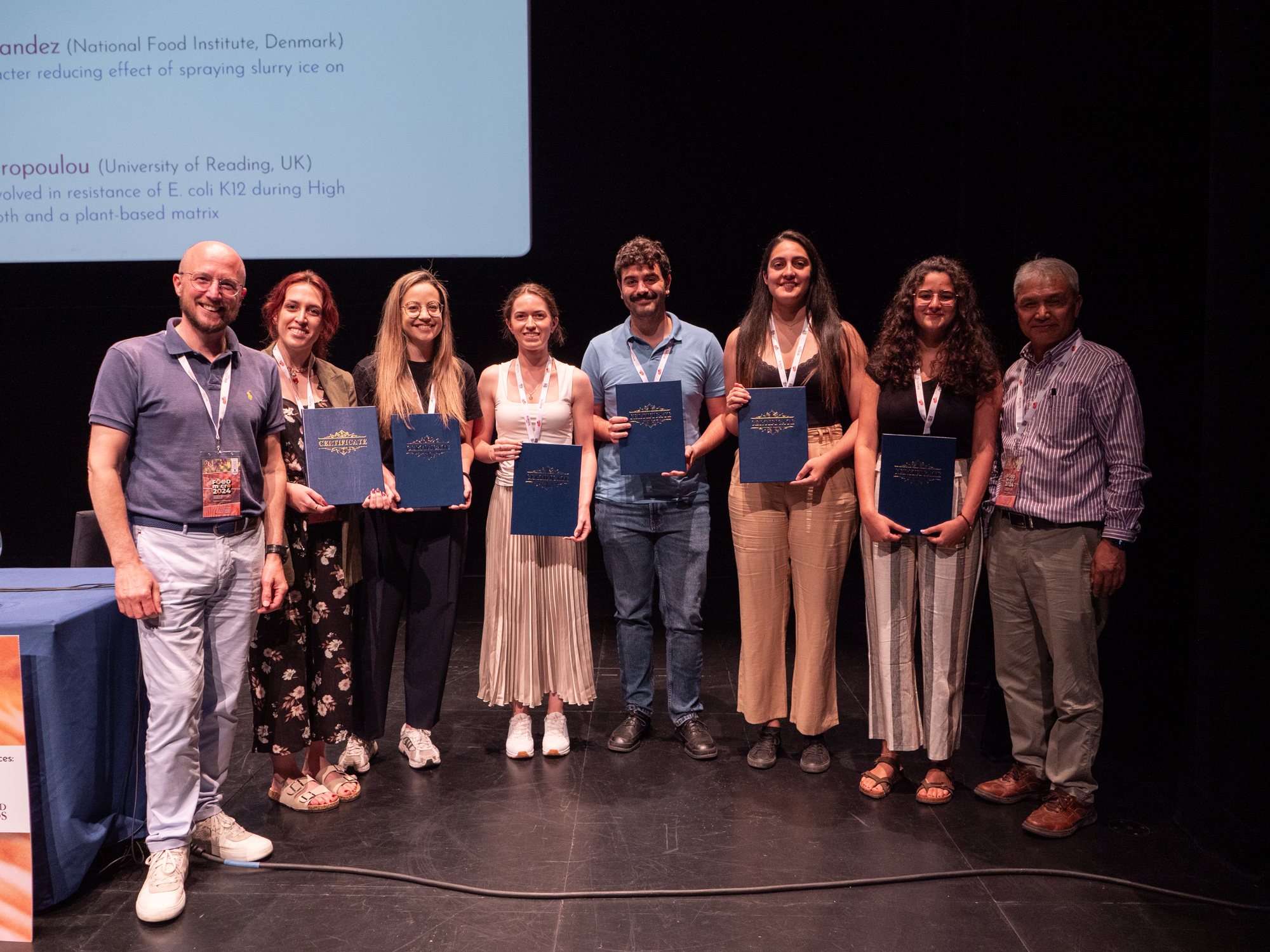
1st prize as Best Poster Communication 
Abstract: Grana Padano (GP) and Parmigiano Reggiano (PR) are among the finest Italian traditional Protected Designation of Origin (PDO) ripened cheeses. Objectives. GP and PR undergo to a strong proteolysis during the long ripening process (12 months or more). During ripening, the microbiome metabolizes amino acids, producing compounds responsible for flavor, as well bioactive molecules. This study explores GP and PR microbiome, to identify key genes involved in the production of psychobiotics, such as gamma-aminobutyric acid (GABA) and other bioactive compounds. We sampled PDO GP (n=42) and PR (n=63) and assessed the microbiome by high-throughput shotgun metagenomic sequencing. Our findings revealed a rich diversity of microbial communities in both GP and PR cheeses, with notable representation of bacterial species known for their proteolytic activity. Importantly, we identified the genes involved in the biosynthesis of neuroactive molecules, including GABA, suggesting a putative link between the consumption of these cheeses and mental health. This study contributes novel insights into the microbial dynamics and functional attributes of GP and PR cheeses, shedding light on their potential as sources of bioactive compounds with implications for human health. The identification of a psychobiotics potential in traditional ripened cheeses opens avenues for further research into the potential neurological benefits associated with their consumption.